Speakers
A limited number of expert scientists and key stakeholders have been invited to participate in the Internal Waves Service Workshop. The selected speakers represent the ocean submesoscale and internal waves community, spanning various fields such as mathematics, modeling, and remote sensing. All of them are experts in this ocean phenomenon, and their knowledge across these diverse areas will be invaluable in enhancing this service. Additionally, a small group of scientists from the AIR Centre, or those associated with its activities, will also take part in the workshop.
Speakers (alphabetically)
Adriana Ferreira
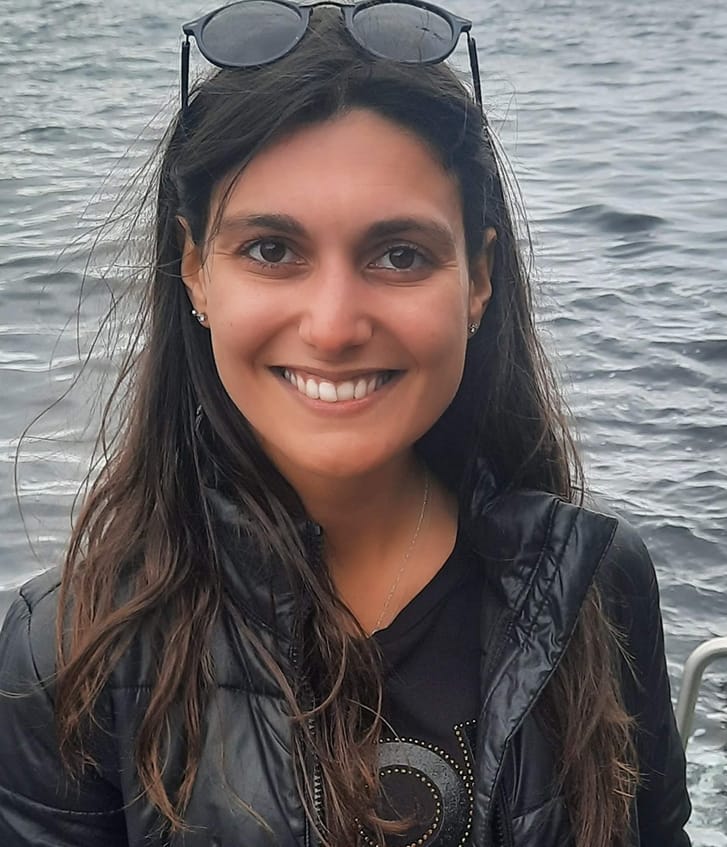
Adriana Ferreira joined the AIR Centre as a Marine Applications Developer, following the completion of her PhD in Surveying Engineering at the Faculty of Sciences, University of Porto. Her work has primarily focused on ocean applications, with particular expertise in submesoscale processes, such as short-period internal waves. Adriana’s research combines satellite observations, in situ data, oceanographic models, and, more recently, machine learning techniques to advance understanding in this field.
Adriano Lima
Adriano Lima is Senior Project Officer and MBON (Marine Biodiversity Observation Network) Scientific Programmer at the AIR Centre. He obtained both his MEng and PhD and previously served as an assistant professor at Hokkaido University, Japan, in the field of environmental hydraulics. His work spans several sectors of the Blue Economy, with contributions to strategic prioritization, as well as R&D&I projects in aquaculture, marine energy, ports, and marine tourism. He has developed of theoretical and experimental frameworks to assess the hydrodynamic stability of a range of flow configurations, often designed to reproduce hydrodynamic and geophysical features observed in riverine, coastal, estuarine, and offshore environments. These studies have advanced the characterization of flow instabilities across multiple spatial and temporal scales, with particular emphasis on the role of turbulence modelling, sediment-related processes, and scale-dependent dynamics within the analytical and experimental frameworks.
Aurélien Colin
Aurélien COLIN is a researcher at Collecte Localisation Satellite (CLS). At the interface between remote sensing and machine learning, his work focuses on the detection, segmentation, and characterization of various meteorological and ocean processes that can be observed in SAR observations, such as wind, rain, biological slicks, internal waves. He is particularly interested in the synergies between various remote sensing and in-situ sensors to advance our understanding of these phenomena.
Christine Gommenginger
Christine has over 25 years experience in ocean remote sensing and physical oceanography. Her research explores how microwave electromagnetic signals interact with the ocean to develop new and improved satellite-based ocean measurements, products, applications, services, sensors and missions. Her pioneering work led to new spaceborne observations of ocean wave period, coastal sea level and wave height, ocean winds and total surface currents in the open ocean and the coastal zone. She has an established international reputation in satellite altimetry, SAR interferometry, GNSS-Reflectometry and L-band radiometry. Scientific interests include atmosphere-ocean exchanges, current/wind/wave interactions, submesoscale dynamics and long-term variability and trends of key ocean ECVs, notably sea state and sea level. Christine is a promoter and proposer of innovative Earth Observation technology and new satellite missions, working extensively with private stakeholders in the space sector. She frequently works also with end-users in operational agencies, government and the commercial sector to support greater understanding and uptake of marine Earth Observation capabilities. Christine is Principal Investigator of the SEASTAR Earth Explorer mission concept, heading an international science team of 70+ scientists and engineers to deliver new high-accuracy wide-swath images of total ocean surface current and wind vectors at 1km resolution. She is a member of the SWOT science team, PI of the CNES-approved SWOT VORTICES project, and PI of the SWOT-UK project funded by NERC and the UK Space Agency. Christine serves on many national and international Earth Observation advisory boards for the European Space Agency, the UK Space Agency and Copernicus. She currently chairs the International Science Board of the National Centre for Earth Observation. She co-proposed and co-manages the NERC Centre for Doctoral Training for Satellite Data in Environmental Science (SENSE) in partnership with Universities of Leeds, Edinburgh and British Antarctic Survey.
Douglas Vandemark
Douglas Vandemark is a Research Professor at the University of New Hampshire, specializing in air–sea interactions and ocean remote sensing. His research focuses on wind waves and the exchange of momentum, heat, and mass—particularly greenhouse gases—across the ocean–atmosphere interface. His work makes extensive use of microwave remote sensing systems, including altimetry, scatterometry, radiometry, and synthetic aperture radar, complemented by in situ measurements, applied at both regional and global scales. He is also involved in the development of new observational platforms and sensors to improve ocean observations. Professor Vandemark has served as Principal Investigator on several NASA science teams, including missions such as SWOT, Ocean Surface Topography, Ocean Vector Wind, Ocean Sea Surface Salinity, and GLIMR. He holds a Ph.D. in Earth Science (Oceanography) from the University of New Hampshire, an M.S. in Engineering from the University of Massachusetts Amherst, and a B.S. from Hope College.
Fabrice Collard
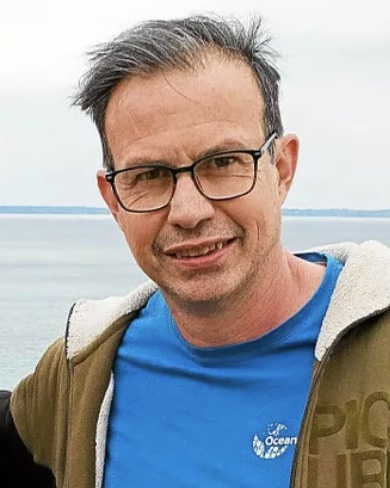
Fabrice Collard is an oceanographer and co-founder of OceanDataLab, a French company specialized in the analysis and visualization of ocean satellite data. With a background in physical oceanography and extensive experience in remote sensing, his work focuses on extracting geophysical information from satellite observations (including altimetry, ocean color, sea surface temperature, and SAR), as well as developing innovative tools for ocean monitoring. Throughout his career, he has contributed to the operational use of Copernicus data and to the development of services supporting the scientific community, public institutions, and the maritime sector. At OceanDataLab, he has led initiatives in advanced data visualization and the development of interactive platforms that facilitate the exploration and interpretation of large ocean datasets, helping bridge science, technology, and operational applications.
Gaël Forget
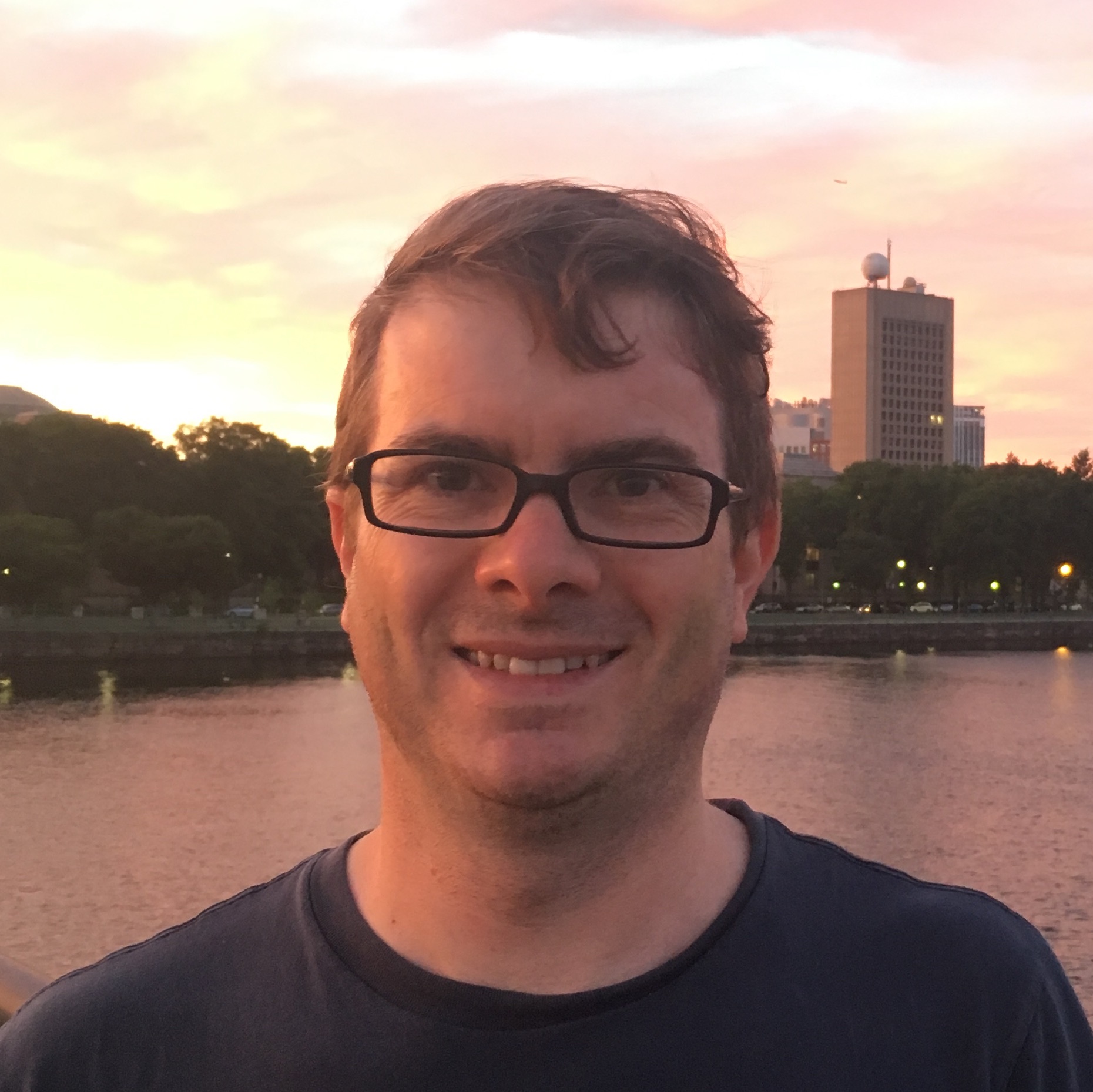
Gaël works as a reseach scientist at the Massachusetts Institute of Technology (MIT) where he investigates oceanography and climate. As part of the Department of Earth, Atmospheric and Planetary Sciences, his work focuses on ocean modeling and the analysis of global ocean data sets such as Argo profile collections and satellite altimetry. Amongst other approaches, he carries out ocean state estimation using the MIT general circulation model to interpolate and interpret ocean observations. He also participates in the development of the MITgcm and in the NASA Sea Level Change Team activities. His scientific interests include: Ocean circulation and Climate variability; tracer transport and turbulent transformation processes; interaction of bio-geochemistry and physical processes; global cycles of heat, water, and carbon; observational statistics; forward and inverse modeling.
Jesús Pineda
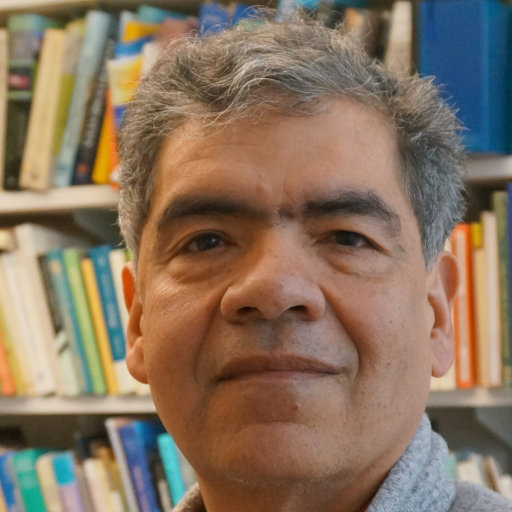
Jesus Pineda is a researcher at the Department of Biology at the Woods Hole Oceanographic Institution (WHOI). He leads the Benthic Ecology and Nearshore Oceanography Lab (BENOL), which focuses on nearshore and coastal ecology,larval ecology, larval transport and dispersal, population ecology, and large-scale ecology. His research explores the distribution and abundance of benthic organisms, investigating the environmental factors that shape these patterns. His work spans temperate and tropical environments, contributing to a deeper understanding of coastal ecosystem dynamics and larval connectivity.
João Gonçalves
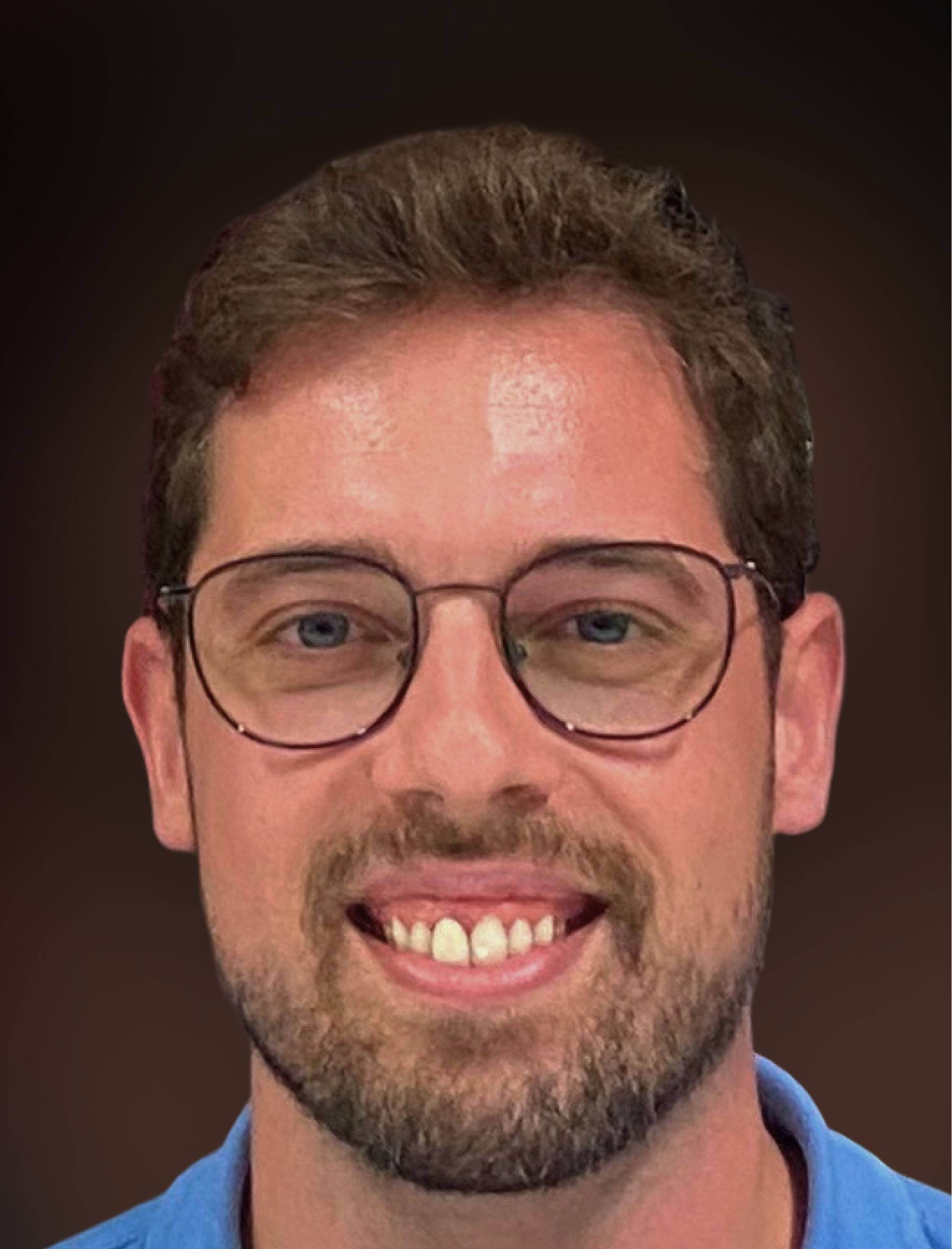
João Gonçalves is a tech enthusiast with over a decade of hands-on experience in software engineering and IT ops. A Linux power user, network tinkerer, and software craftsman, he loves nothing more than diving into complex systems and making them run smoother, faster, and smarter. Currently at AIR Centre, João is immersed in the exciting world of high-performance computing (HPC), where he maintains a cutting-edge HPC datacenter, develops innovative software solutions and contributes to impactful projects.
Joao Pinelo
Dr. Joao Pinelo is Head of Data Science, Cloud Infrastructure, and Software Development at the Atlantic International Research Centre. He has been part of the Earth Observation Lab at AIR Centre—an ESA-associated laboratory—since 2020. His work focuses on the design, deployment, and operation of large-scale digital infrastructure for Earth observation, including data centres, sensing networks, and real-time processing platforms. He is the founder and lead organizer of JuliaEO, the Global Workshop on Earth Observation with Julia, with editions held annually since 2023. He led the setup of AIR Centre’s data centre, defining and managing end-to-end system architectures for networking, storage, and computation, and establishing it as a hybrid-cloud environment. He has also architected several mission-critical systems, including the Azores IoT network, the Atlantic Cloud, and the Internal Waves Service, and has overseen the development of multiple real-time web applications for EO data access and early-warning services.
Johnny Johannessen
Johnny A. Johannessen has 40 years of experience in satellite remote sensing in oceanography and sea ice research. In particular, he has focused on the use of satellites to advance the understanding of mesoscale processes and currents, upper ocean dynamics and air-sea-ice interaction associated with ocean fronts and eddies, both in the open ocean and along the marginal ice zone. He has also been involved in development and implementation of operational oceanography at national and international level. This has included a central role in the transition from the Framework Program in EU to the operation of the Copernicus Marine Environmental Monitoring Service (CMEMS). Johannessen has been a member of several ESA mission advisory groups. He chaired ESA´s Science Advisory Committee from 2006 to 2010 and ESA EOEP5/FutureEO Segment-1 Science Review Panel (2021-2022). He is a member of the board of Mercator Ocean International and the GCOS Steering Committee.
Jorge Magalhães
Jorge Magalhães graduated in Oceanography in 2005 from the University of Lisbon and completed his Ph.D. in internal waves in 2012 from the University of Porto. Main research interests include satellite imaging of sea surface processes, including internal waves, near-shore phenomena such as RIP currents, river plumes, and thermal fronts. Recent research includes developing software for satellite SAR and altimetry processing, global ocean modelling (e.g. HYCOM), as well as high resolution numerical modelling (e.g. using the MITgcm) for accurate representations of internal wave dynamics and their interactions with other processes.
José da Silva
José C.B. da Silva has more than 30 years of experience in Satellite Oceanography and holds a Doctor of Philosophy in Oceanography (1997) at the University of Southampton (National Oceanography Centre, Southampton, U.K.). José is interested in all kinds of Remote Sensing techniques to observe ocean internal waves and small-scale phenomena in the upper ocean. His research work combines observations, numerical modelling and theoretical grounds to investigate the generation, propagation, interaction and dissipation of internal solitary waves. He holds a first degree in Physics/Applied Mathematics (Astrophysics) at the University of Porto, and a M.Sc. in Remote Sensing, Image Processing and Applications, at the University of Dundee, Scotland. He was Lecturer at the University of Lisbon (Physics Department) and is Associate Professor at University of Porto (Departamento de Geociências, Ambiente e Ordenamento do Território) since 2010. José is also a guest investigator at the Woods Hole Oceanographic Institution since 2007. José da Silva has been Principal Investigator and participated in many national and international projects. José was a PI for the ERS SAR and ENVISAT missions as well as TerraSAR-X missions. He has supervised 5 post-docs and 6 PhD students and has published more than 60 peer reviewed ISI indexed journal articles, many book chapters and many other ISI indexed publications. His research has significantly shaped the study of internal waves through the use of remote sensing techniques.
Kateryna Terletska
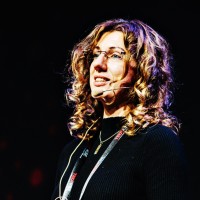
Kateryna Terletska is a Doctor of Physical and Mathematical Sciences and Senior Researcher at the Institute of Mathematical Machines and Systems of the National Academy of Sciences of Ukraine. She specializes in applied mathematics and hydromechanics, focusing on modeling internal waves, their nonlinear interactions, and their impact on ocean dynamics and ice–ocean processes. She is also Head of the Applied Mathematics Laboratory at the Junior Academy of Sciences of Ukraine, where she leads projects connecting mathematical modeling with education and science communication.
Maarten Buijsman
Associate Professor Maarten Buijsman, of The University of Southern Mississippi’s Division of Marine Science, is part of a large team that is funded by the National Oceanographic Partnership Program that studies the characteristics of subsurface waves that have propagated along the density layers across the Pacific Ocean to the U.S. West Coast. These internal waves, generated near Hawaii due to tidal motions over topography, may be relevant for water mass mixing in coastal shelf areas, affecting the coastal circulation and biogeochemistry.
Magda Carr
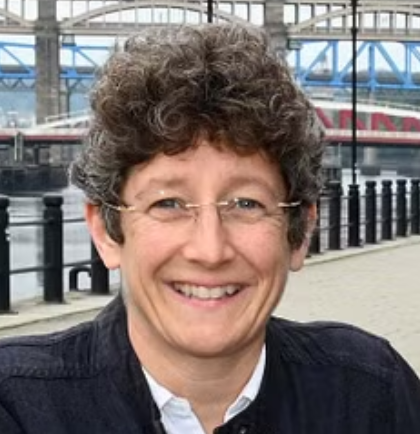
Magda Carr is a Reader in Applied Mathematics at Newcastle University, United Kingdom. Her research focuses on geophysical fluid dynamics, with particular emphasis on internal waves, stratified flows, and mixing processes in the ocean and atmosphere. She combines theoretical analysis, laboratory experiments, and numerical modelling to investigate nonlinear wave phenomena and their role in energy transfer and transport in stratified environments. Dr Carr obtained her PhD in Applied Mathematics from Durham University. Her work contributes to advancing the understanding of small-scale ocean processes and their broader implications for environmental and climate-related dynamics.
Marek Stastna
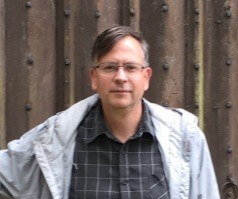
Marek Stastna is Professor of Applied Mathematics at the University of Waterloo (Canada) and Past President of the Canadian Meteorological and Oceanographic Society. He obtained his Ph.D. in Applied Mathematics (Nonlinear Waves) from the University of Waterloo (2001). He is a member of the Environmental and Geophysical Fluid Mechanics group, where his research focuses on naturally occurring fluid dynamics in lakes, the coastal ocean, and the atmosphere. His work is primarily computational, using both community models such as MITgcm and in-house high-order pseudospectral models (e.g., SPINS). His research interests include nonlinear waves, multi-scale fluid mechanics, cold-season processes, feature detection in large simulations, and fluid–biology interactions. Marek leads a research-active group with strong international collaborations and expertise in numerical analysis, mathematical modeling, and advanced computational methods.
Paulo Oliveira
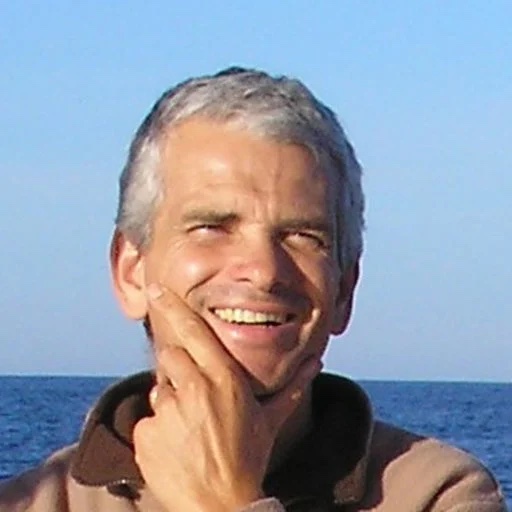
Paulo Oliveira is a senior researcher at the Portuguese Institute for Sea and Atmosphere (IPMA). He holds a PhD from the Faculty of Sciences of the University of Lisbon, focused on coastal upwelling along the Portuguese coast. He has more than 20 years of experience in organizing and coordinating oceanographic field campaigns, with research interests in coastal physical oceanography, mesoscale to submesoscale processes, and internal solitary waves.